Don’t Start With Binders: My “Bioflavonoids Before Binders” Rule for Mold Recovery
If someone only watches one of my videos about binders, I want it to be this message:
Don’t start with binders.
I know that’s not the advice many people expect to hear — especially if you’ve been led to believe that binders are step one, or that you must use prescription binders to get better from mold.
But after years of seeing what helps people improve (and what makes them feel worse), I have a very simple rule of thumb:
Bioflavonoids before binders.
That sequencing alone can change the whole experience of mold recovery, especially for the sensitive, reactive, “everything makes me worse” crowd.
Let’s break down what I mean, why it matters, and what to do if you can’t tolerate binders at all.
Why binders aren’t where I start
Binders can be helpful, of course. But they can also be a problem if you bring them in too early or if you’re constipated.
The most common mistake I see people make is this:
They start binders before bioflavonoids.
That often leads to:
- feeling worse and assuming “binders don’t work for me”
- bouncing between products, doses, and protocols
- believing they’re “too sensitive to detox” (which is usually not the real issue)
In my approach, binders are not the opening move. They’re a later support tool — after you’ve maximized kidney detoxification.
The most misunderstood binder belief
One of the biggest myths in mold recovery is:
“You have to take prescription binders to get better.”
No. You don’t.
Prescription binders can be useful in certain situations, but they are not the only effective option — and they are not the “golden ticket” for everyone.
There are many DIY, non-prescription, and food-based tools that can support the body’s natural cleanup process without forcing you into one narrow lane.
That’s one of the reasons I created my masterclass Let’s Talk Binders! — because people are often shocked by how many options they have once they learn what to use, how to use them, and when to use them.
My “bioflavonoids before binders” rule
Bioflavonoids are a foundational part of how I get people started on their mold recovery plan.
They’re not a binder. Think of them like a shortcut to the detox finish line.
Bioflavonoids help “unbind” toxins in the blood so that the kidneys can flush them out easier.
That’s why I say:
Bioflavonoids first. Binders second.
We can double our detox power by leaning on the kidneys to do the lion’s share of the work. A blend of bioflavonoids geared specifically for this action is Color Guard by Alight Health Formulas.
The big binder truth: If you can’t tolerate binders, that’s okay
Here’s something I want more people to hear:
You do not need binders to get better from mold.
Yes, binders can speed things up for some people. But they are not mandatory.
If you don’t tolerate binders — if you’ve tried and you feel awful — it does not mean you’re stuck.
In many cases, it simply means your body needs a different pace or a different kind of support.
And here’s the calming reality:
Your kidneys can take over the detox job.
Your body already has built-in elimination systems. With the right support, recovery can still happen without binders.
It may take a little longer, but longer and steadier often beats faster and miserable.
My binder-disrupter approach (and what I avoid)
You’ll notice I do things differently than a lot of mold conversations online.
For one, I don’t start with binders. I also don’t use clay-based binder strategies such as zeolite as my go-to approach for mold.
If you want to read more about how I accidentally became a “binder disrupter”, you can start here: Binder Disrupter
DIY and food-based binder options I do like to highlight
One of the most empowering things for people is realizing they have options that are accessible, gentle, and practical.
Here are a few that can be part of a thoughtful plan (again: timing matters):
1) Aloe
Aloe is a favorite to consider because it can do triple-duty: it may support binding and help calm an overreactive system (including mast cell-related reactivity for some people) and support gut immunity.
2) Lemongrass
Lemongrass is one of the food-based supports I use because of animal research suggesting relevance for trichothecene mycotoxins.
My go-to aloe+lemongrass binder is Gentle Bind.
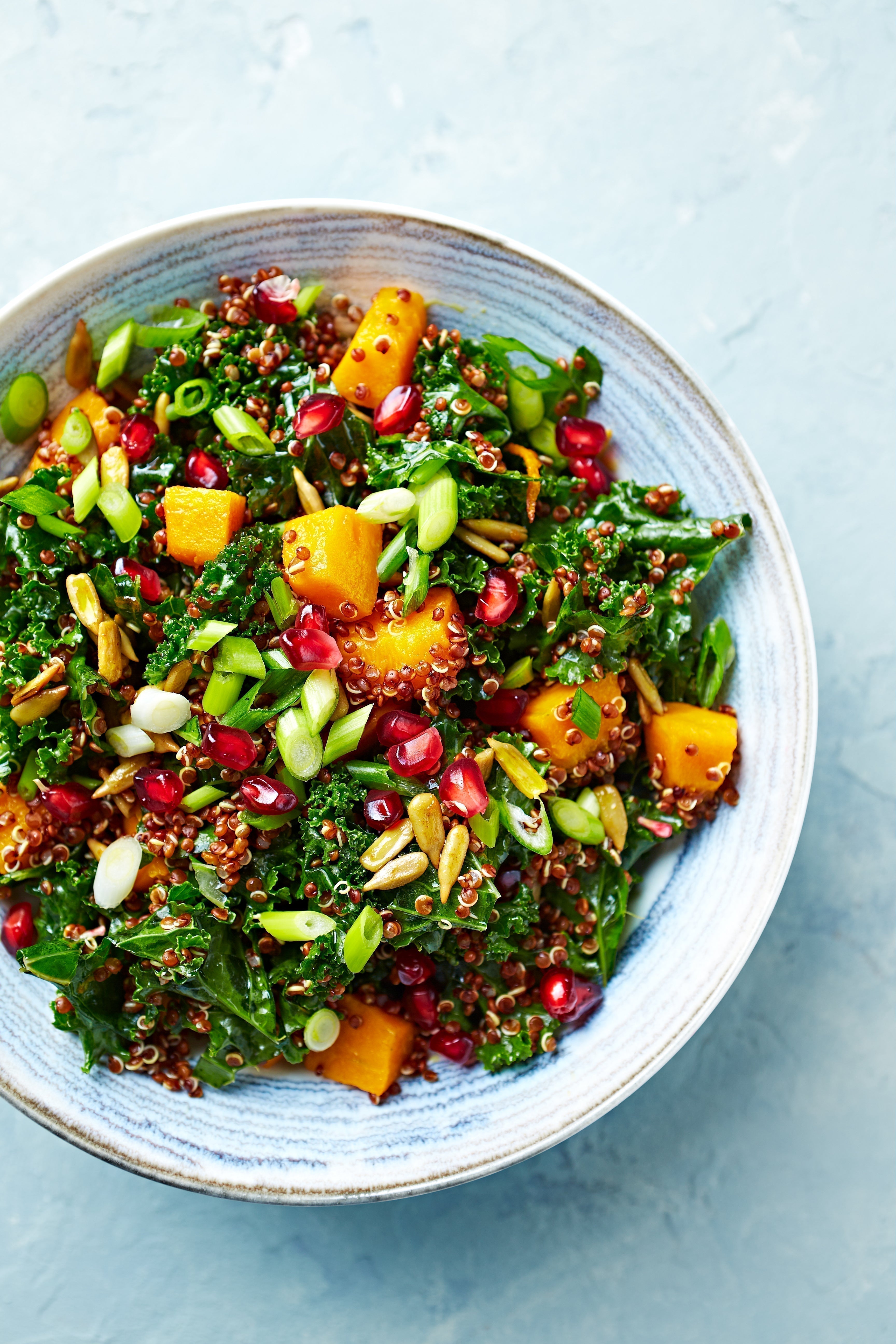
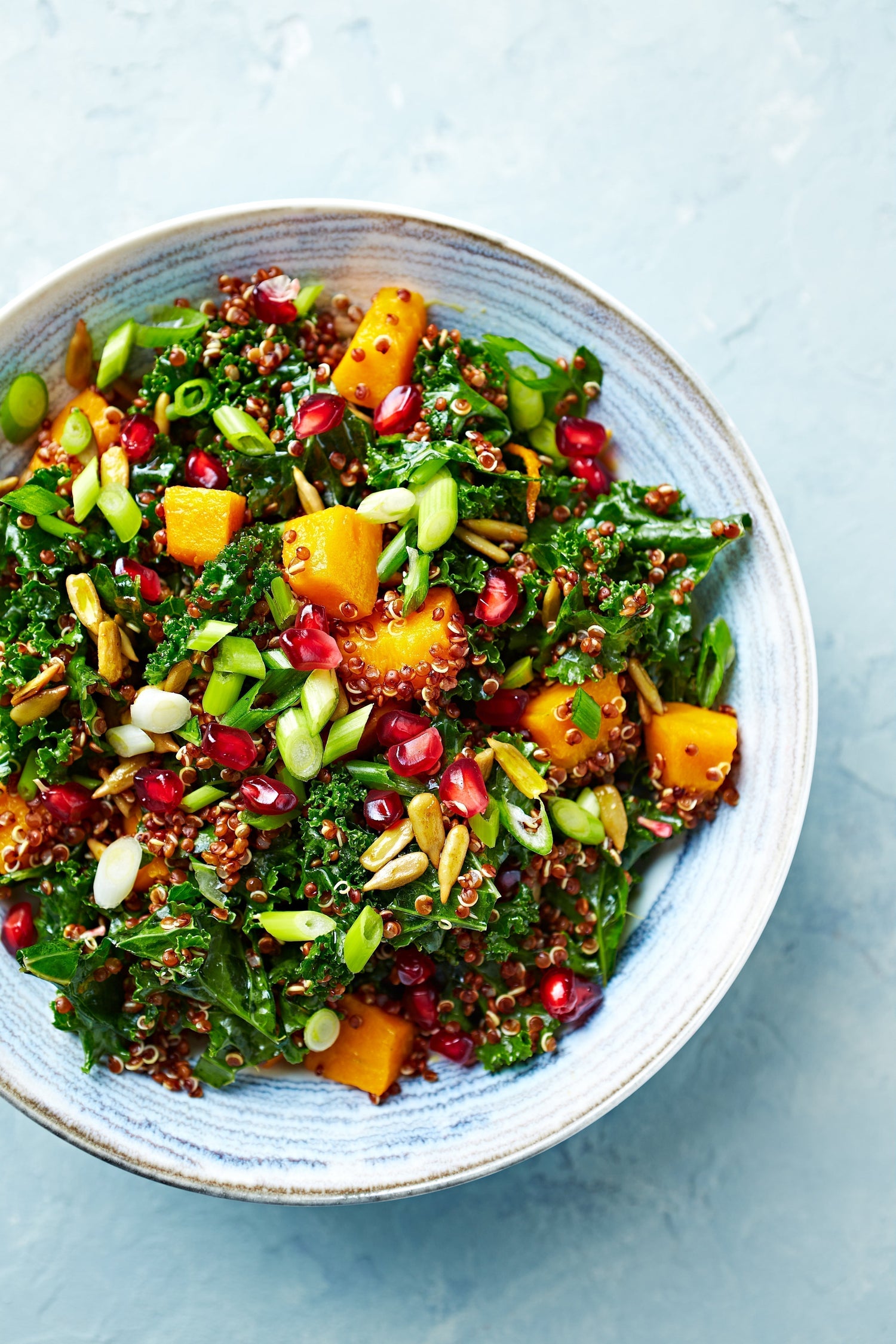
3) Steamed greens: kale, mustard greens, collard greens
These are simple, real-food options that can be surprisingly effective.
If you want the deep dive on kale specifically, you’ll love this post: Kale as a Mold Binder
(And yes — steaming matters. Preparation matters. Timing matters. That’s why DIY binder strategies deserve actual instruction, not just a list.)
Why my binder masterclass is different
Most binder education is either:
- overly narrow (one “right” binder), or
- overly complicated (and hard to apply), or
- overly product-driven
Let’s Talk Binders! Masterclass is different because it gives you:
- a broad range of DIY and non-prescription options you likely didn’t know existed
- clear guidance on how to use them
- and, most importantly, when to use them (so you don’t start too early and crash your progress)
If this blog made you realize, “Oh… binders are more nuanced than I thought,” that’s exactly why the masterclass exists.
Next step:
Watch Let’s Talk Binders! to learn your options and how to apply them in a way that fits your body.
A final word (the most important one)
If you’ve been scared into thinking binders are the only path forward, I want to gently take that weight off your shoulders.
You can get better. You have options. And you don’t have to start with binders.
Lean on the kidneys with bioflavonoids. Then build from there.
Disclaimer This content is health information and not intended as personal medical advice. Viewing will not establish a doctor-patient relationship. It is not intended to diagnose, treat, cure, or prevent any disease or medical condition. The information discussed is not intended to replace the advice of your healthcare provider. Reliance on information provided by Dr. Jill Crista, employees, or others appearing at the invitation of Dr. Crista is solely at your own risk.